Early Years
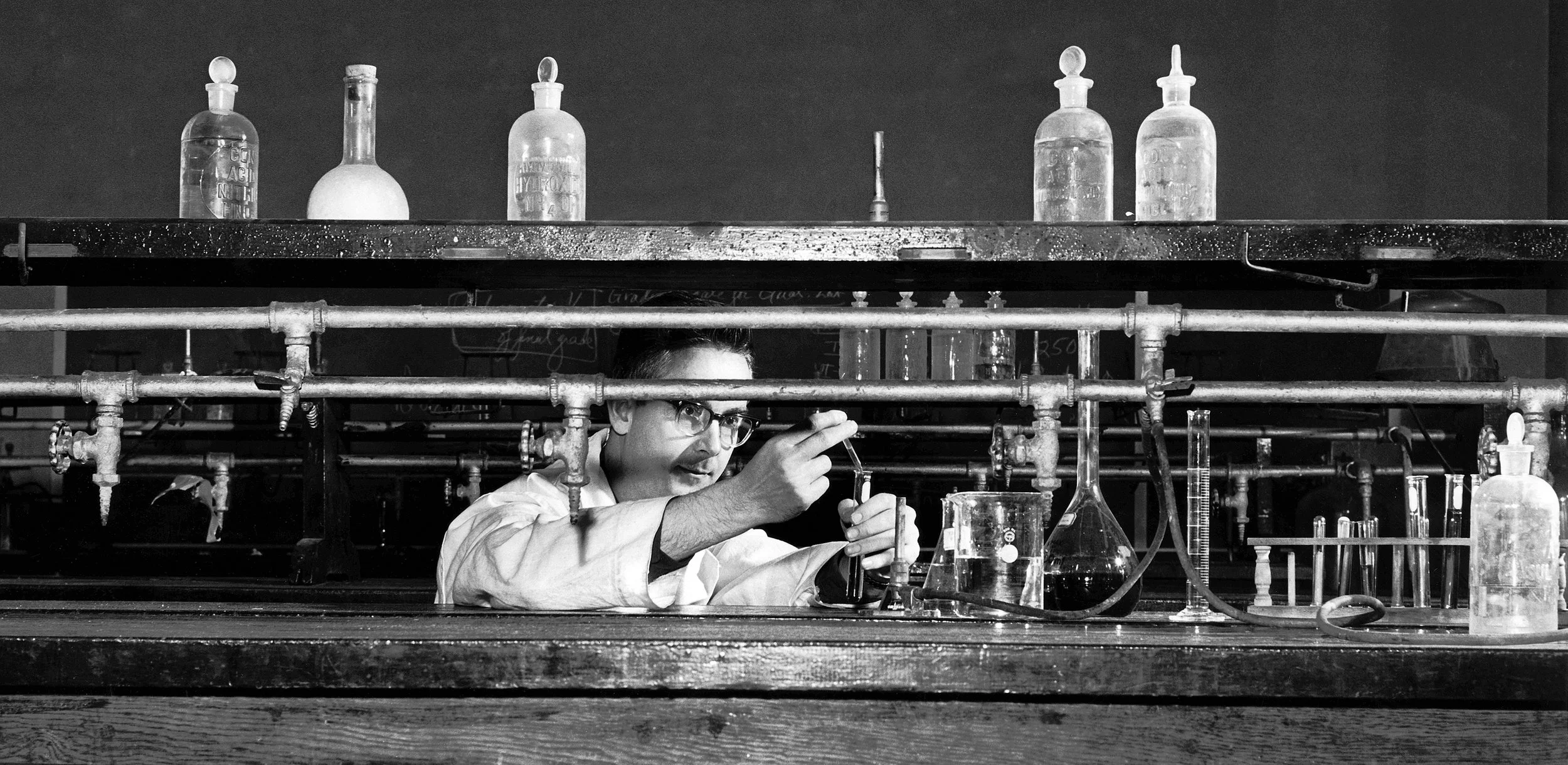
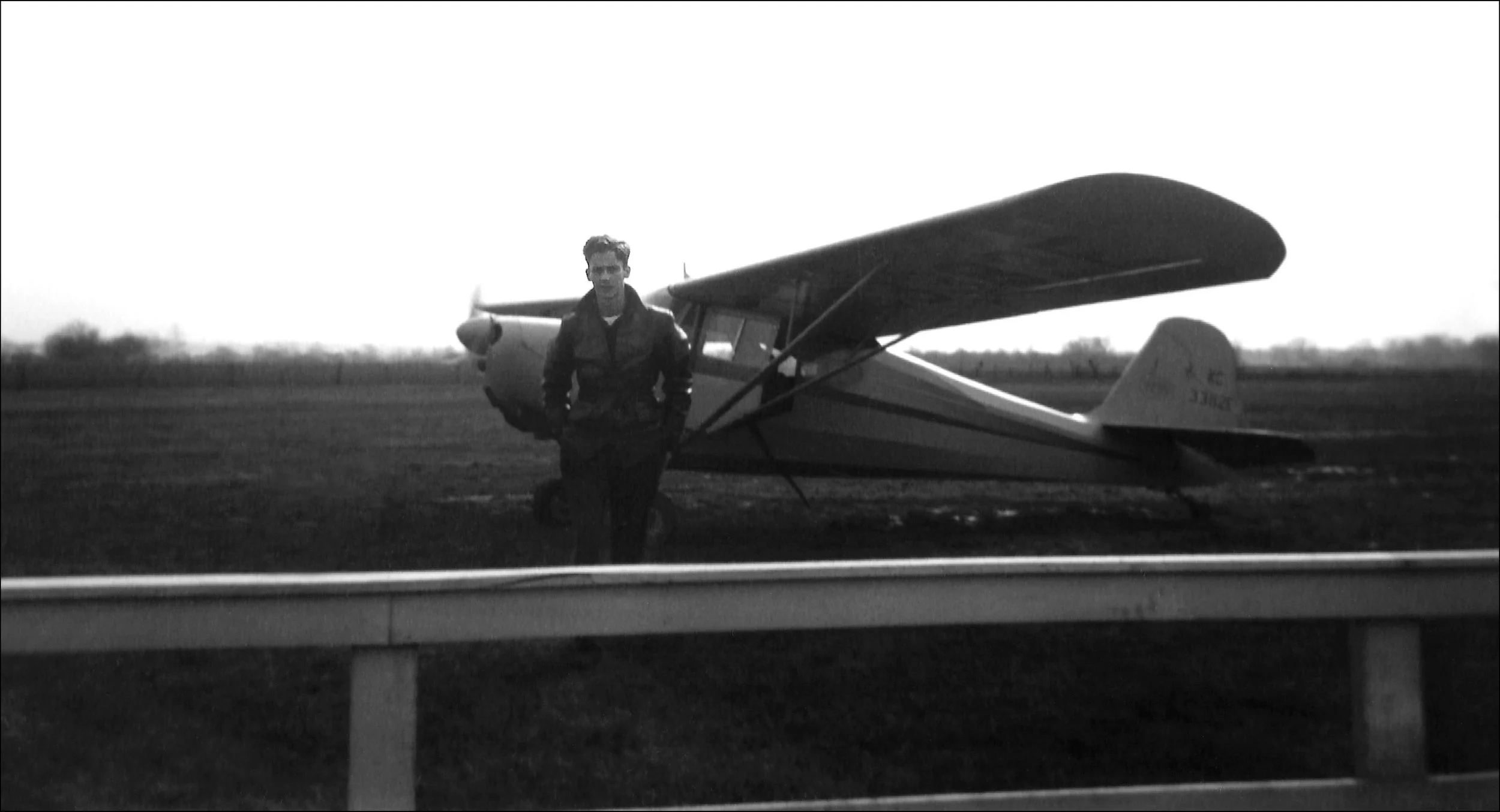
From humble—and often wayward—beginnings, Orson Arvin’s life became a story of steady growth and enduring service. In his early years, he worked as a race car driver, pilot, and welder around Louisville, Kentucky . His path changed dramatically while serving in the U.S. Army during the Korean War, when he earned his GED. Following military service he was certified as a metal joiner and went to work as a welder on the Panama Canal locks and later as foreman for a steel company in Northern Africa. After years of travel throughout Europe, Asia and South America, he returned to the US to start a new life.
Photography and Jackson Hole
Orson Arvin married Bettye Goodman in their hometown of Louisville, Kentucky, in the summer of 1955. Soon afterward, they headed west for Los Angeles in a brand-new red-and-black 1955 Buick Super Coupe, eventually landing in Hollywood, where Orson’s first job was with Twentieth Century Fox.
He first learned of a place called Jackson Hole while chatting on a film set with actor Chuck Connors, who told him, “It’s too hot here—I’m headed to Jackson Hole.” Orson remembered that conversation when he was later offered an opportunity to join a friend’s construction company building roads in and around Jackson, Wyoming. Agreeing that it was indeed “too hot” in Los Angeles, Orson and Bettye set out for Jackson Hole and a new life.
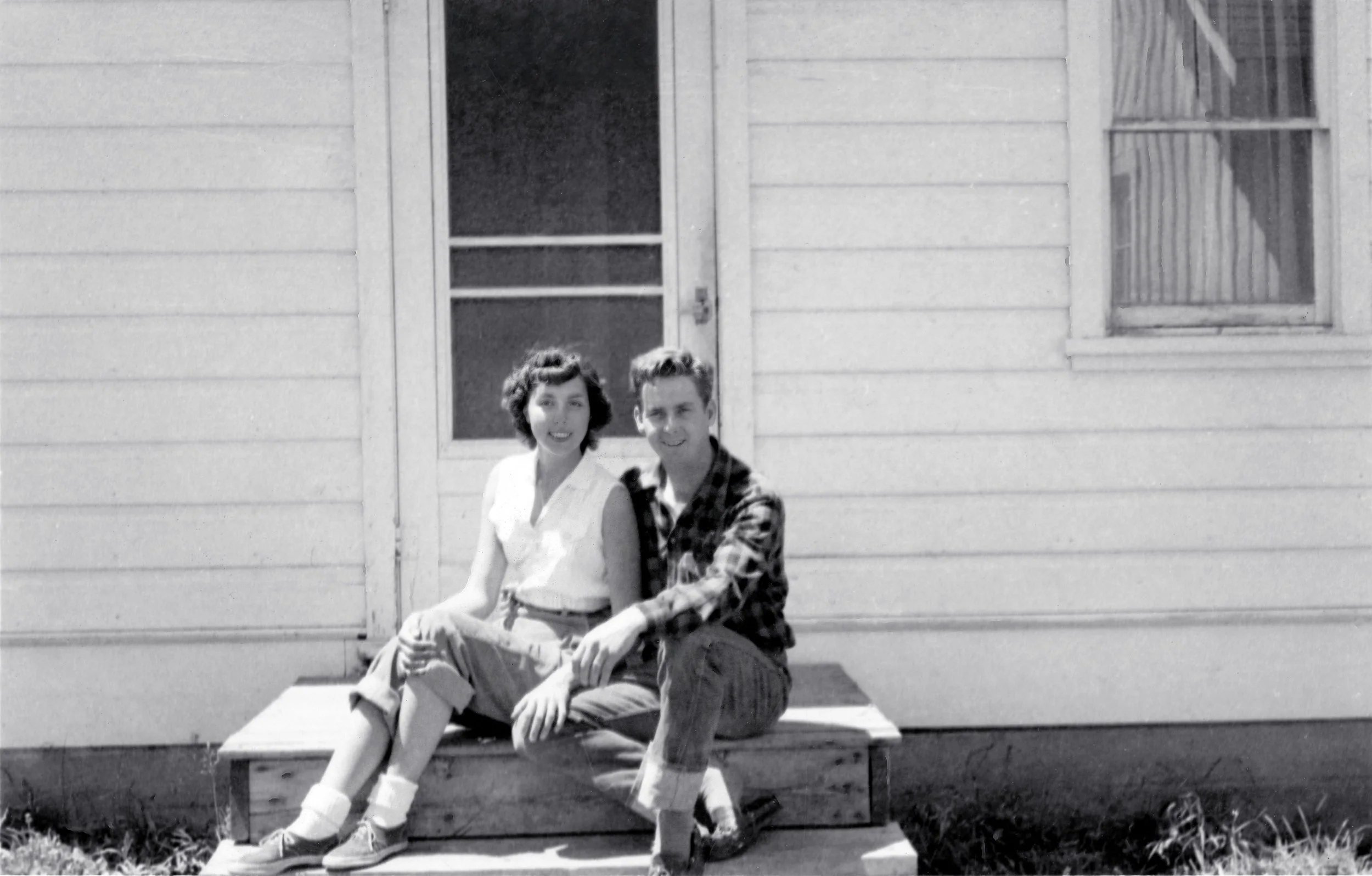
They were welcomed into the Jackson Hole community and formed many lasting friendships. Among the first was Roy Chambers, who offered them a cabin to rent on his ranch. The location on Mormon Row was convenient to Orson’s construction sites and offered beautiful views of the Teton Range from their kitchen window. Another new friend was Harley Moulton, one of the original builders of the iconic Moulton Barn, who regularly hosted dinner parties attended by the Arvins.
Bettye, a registered nurse, found work at Dr. Elmore’s office on Main Street above Jackson Drug. She also served as pianist at the Community Assembly Church. In addition to his construction work, Orson worked on the ski patrol at Snow King Resort in Jackson.
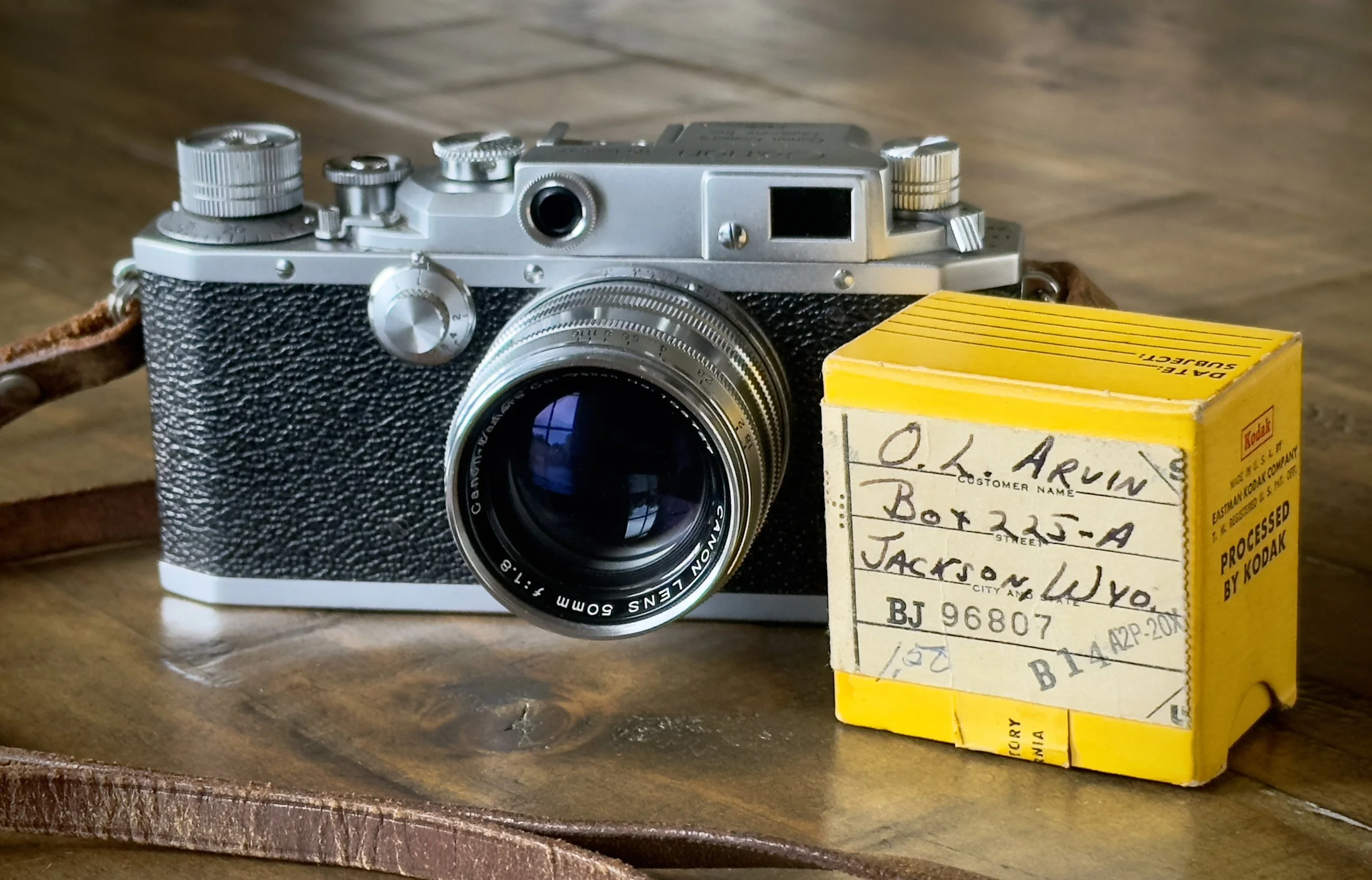
Photography was a passion Orson actively pursued while living in Jackson Hole. He was clearly inspired by the landscapes and surroundings he encountered. He used a Canon rangefinder camera he bought in Tokyo, Japan, while serving with the U.S. Army during the Korean War.
His film of choice was always Kodachrome, a slide film long revered for its saturated colors and exceptional clarity. Processing was a proprietary service that required mailing the exposed film directly to Eastman Kodak in Rochester, New York. Kodak often took several weeks to return the mounted slides. Kodachrome was discontinued in 2009 as demand declined and its complex processing became increasingly impractical. Later transparency films could reproduce color beautifully, but Kodachrome retained a distinctive look.
Kodachrome offered remarkable color rendition and clarity, but it demanded mastery of camera settings and precise light evaluation to achieve proper exposure. What stands out about Orson’s work in these images is not only his composition and timing in releasing the shutter, but also his technical skill in capturing subjects under extreme lighting conditions without a light meter.
The photographs span an extraordinary range of conditions—from sunrise and brilliant midday light to sunsets and even long nighttime exposures made with a tripod. Beyond their technical accomplishment, the images possess a distinct aesthetic presence. His work recalls the era's vintage magazine advertisements and reveals a level of artistry that feels instinctive, never forced or contrived.
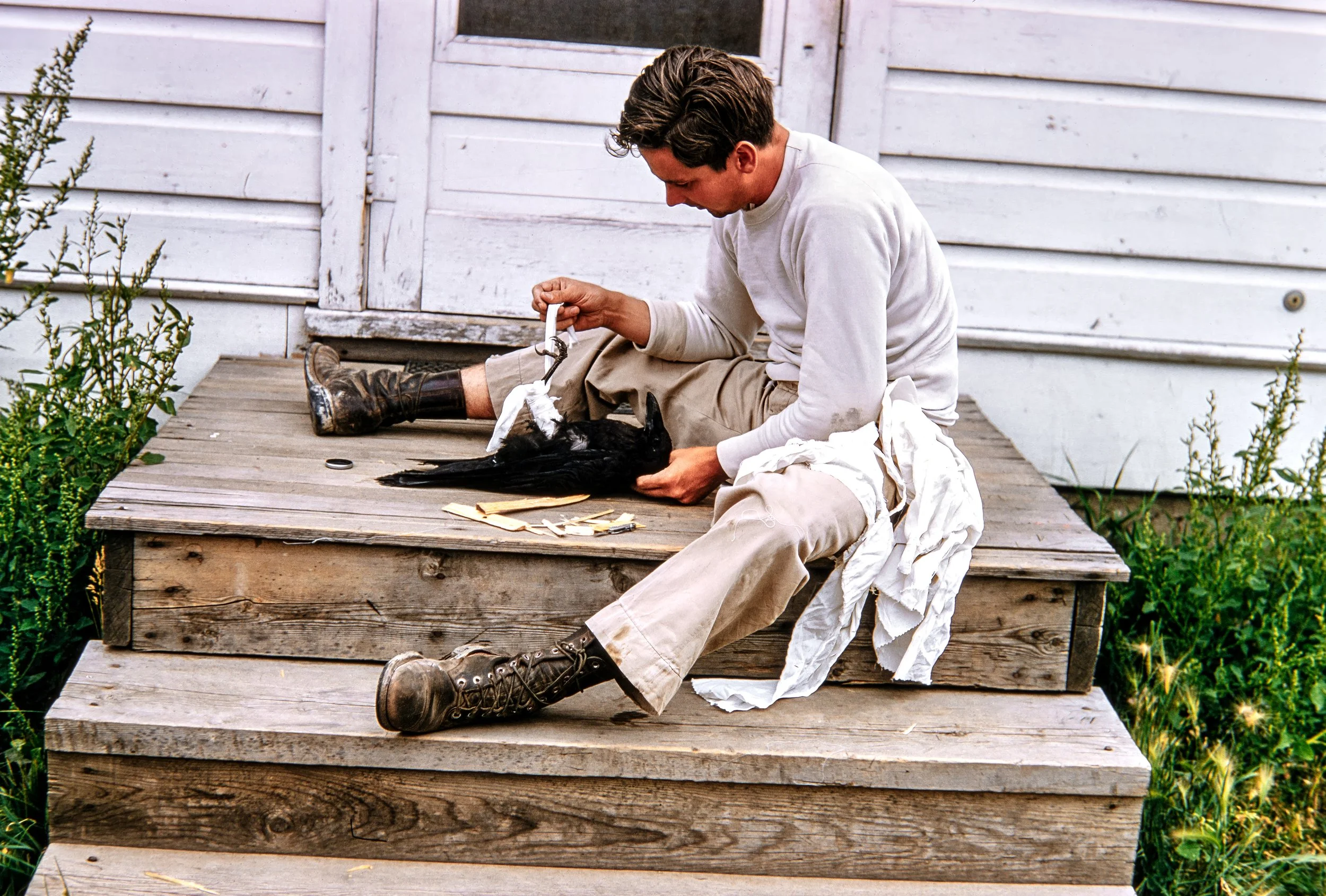
A defining moment for Orson came when he discovered a passion for healing while caring for an injured raven on Mormon Row. The experience inspired him to pursue an entirely new path: a career in medicine.
Later Years
Orson went on to attend medical school at the University of Kentucky, where, at the age of 44, he became the oldest student ever to graduate from the program. In recognition of his exceptional work, he received the Award for Outstanding Performance in Obstetrics and Gynecology and was honored for his dedication to women's care.
True to his promise to serve where he was most needed, Orson practiced family medicine for more than 25 years in rural Rockcastle County, Kentucky—many of those years as the only physician on staff. Over his career, he delivered hundreds of babies and cared for generations of families.
Retirement did not mark an end to his service. Instead, it opened the door to medical missions around the world, including Africa, Russia, and South America. Orson passed away in 1999 in Kigoma, Tanzania, while still serving others through his medical work.
Throughout his life, Orson often found himself in situations where he would quote the Greek mathematician and physicist Archimedes: “Give me a place to stand and a lever, and I will move the world.”
Given the education and opportunity to stand on that foundation, Orson found his lever. With it, he transformed not only his own life, but the lives of countless others along the way.